
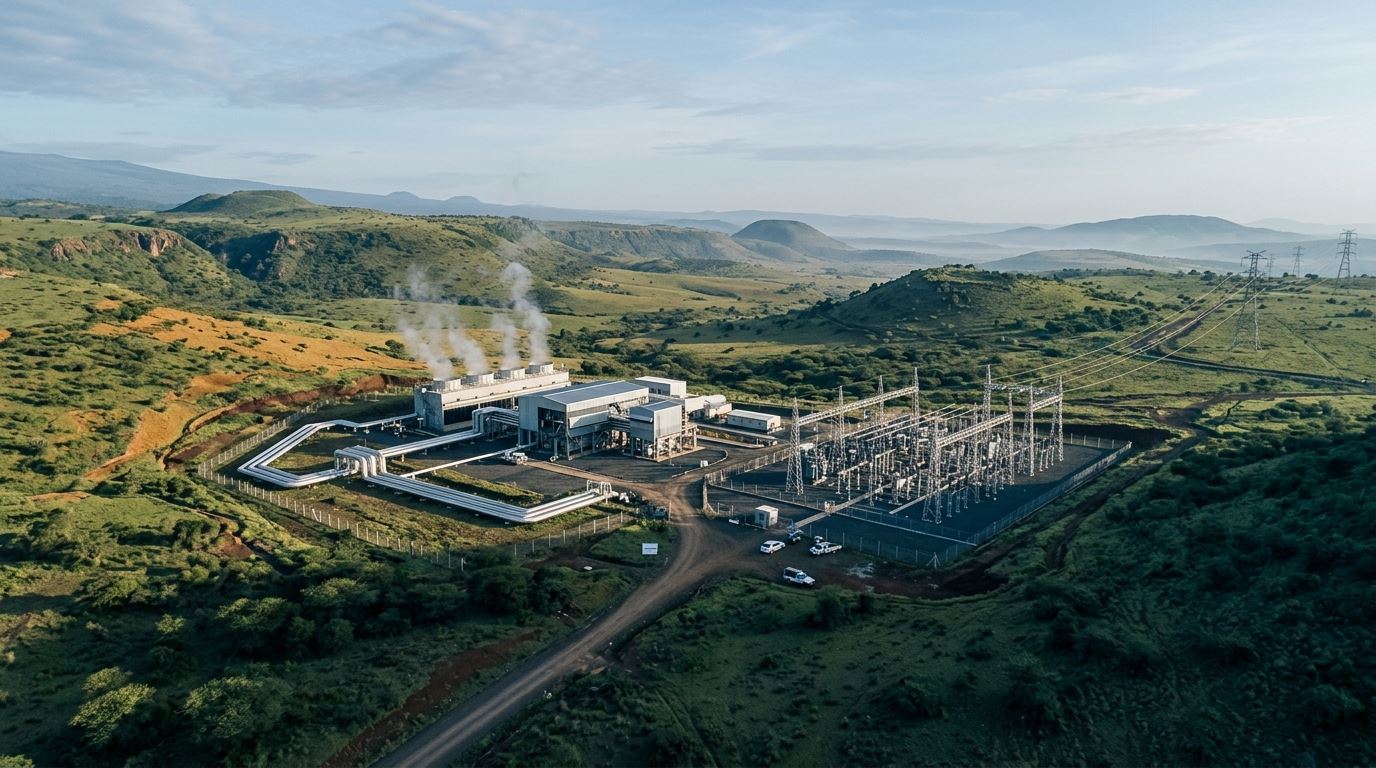
Geothermal generation can provide steady electricity, but a reliable resource is only one part of a functioning power system. The connection between a plant and its customers depends on transmission capacity, grid operations, demand patterns and the institutions responsible for planning and dispatch.
Plan the connection as part of the project
Grid studies should begin early enough to shape the project design. Load-flow and stability assessments help identify where new lines, substations, protection systems or control upgrades may be needed. They also test how the network would respond to outages, changing demand and the addition of other generation sources.
For high-voltage connections, route selection and right-of-way planning deserve the same attention as equipment specifications. A technically sound connection can still face delays if land access, permitting, environmental review or coordination between utilities is unresolved.
Match plant operations to system needs
Geothermal facilities are often valued for their ability to deliver firm output. Their operating profile can support a grid with variable renewable generation, but dispatch rules and system services need to be agreed with the grid operator. Forecasting, telemetry, communication protocols and protection coordination are essential parts of that agreement.
Where networks are constrained, phased commissioning and staged network upgrades can help manage delivery risk. Each phase should have clear operating limits and measurable readiness criteria so that equipment is not energized before the surrounding system can safely accommodate it.
Coordinate investment across institutions
Generation and transmission are frequently planned, financed and delivered by different organizations. A workable program aligns their schedules, technical standards, cost responsibilities and maintenance plans. Transparent connection agreements can set out these interfaces and clarify how future upgrades will be assessed.
Local grid conditions vary widely, so system modelling and consultation with the responsible utility should guide every design decision. The goal is not just to connect a plant, but to make the new capacity dependable, maintainable and useful to the wider network. The Mazok Afrika Group Limited supports coordinated infrastructure planning that connects generation projects to the needs and operating realities of local grids.