
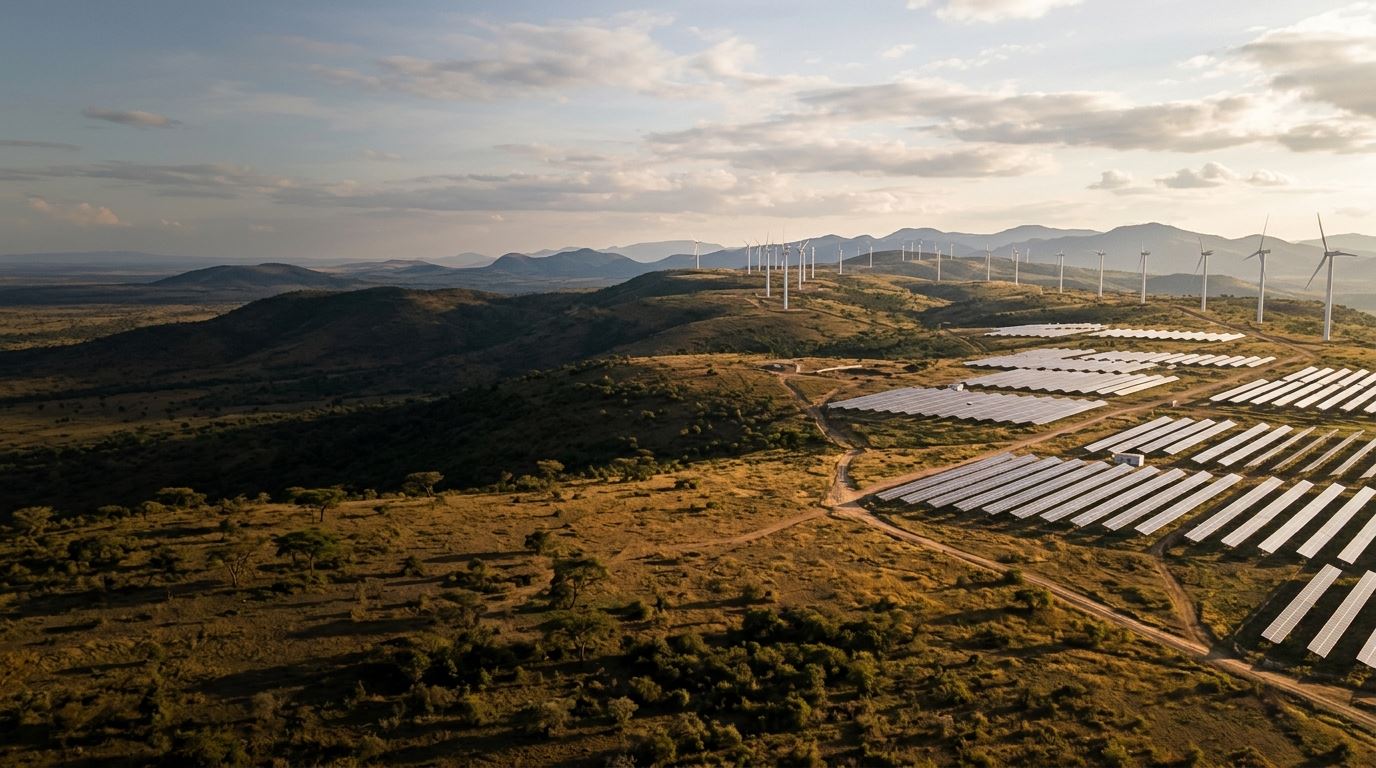
Adding solar and wind generation can diversify electricity supply, but new capacity must work within the limits and operating needs of the grid. Network studies, connection planning and coordination with utilities help ensure projects can deliver power safely and reliably once built.
Understand the network before connecting
Assessments of transmission capacity, substations, voltage and protection systems can reveal where upgrades may be needed. Studying local demand and existing generation also helps determine the best connection point and whether the network can accommodate output at different times of day and across seasons.
These questions should be considered early in project development. If grid constraints are identified only after design and procurement, upgrades can add cost and delay commissioning. Clear technical requirements and timely utility engagement make the connection process more predictable.
Plan for changing generation
Solar and wind output varies with weather and time. Forecasting, suitable control systems and flexible operations can help system operators balance this variability with demand and other sources of power. Where technically and economically appropriate, storage may provide additional flexibility, but it should be assessed as part of the system rather than assumed to solve every constraint.
Generation developers, utilities and public institutions each have a role in aligning schedules, costs and operating responsibilities. A practical integration plan sets out the required network works, commissioning steps and performance expectations. Coordinated planning helps renewable projects contribute dependable capacity to the wider electricity system. The Mazok Afrika Group Limited works with partners to advance clean energy and the infrastructure needed to connect it reliably.